
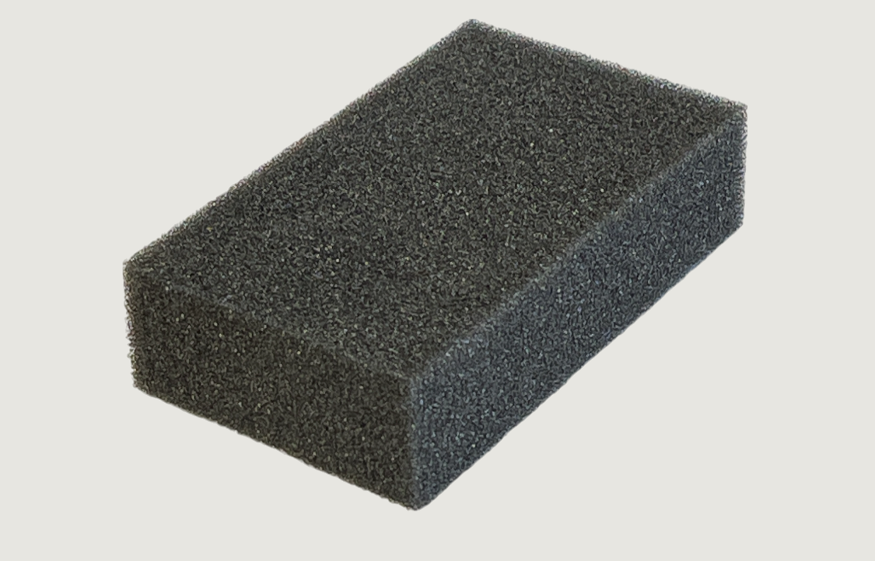
A foam type guide is essential when choosing the right material for comfort, durability, insulation, or protection across residential, commercial, and industrial applications. Foam is not a one-size-fits-all solution. Each foam type is engineered with specific characteristics that affect firmness, airflow, longevity, and performance. Whether you are selecting foam for furniture, mattresses, packaging, soundproofing, or construction, understanding how different foam types behave will help you make a smarter and more cost-effective decision.
In this foam type guide, we break down the most common foam materials, explain how they work, and highlight where each one performs best.
What Is Foam and Why Type Matters
Foam is a material formed by trapping gas bubbles inside a solid or liquid substance. The size, density, and structure of those bubbles determine how the foam feels and performs. Choosing the wrong foam type can lead to poor comfort, faster wear, or reduced efficiency in its intended application. That is why understanding foam composition, density, and resilience is critical before purchasing or specifying foam products.
Foams are broadly categorized into flexible, rigid, and semi-rigid types, each serving different functional purposes.
Polyurethane Foam Explained
Polyurethane foam, often referred to as PU foam, is one of the most widely used foam materials due to its versatility and affordability. It is commonly found in furniture cushions, mattresses, automotive seating, and packaging.
Flexible polyurethane foam offers a soft and adaptive feel, making it ideal for seating and bedding applications. Its performance is largely influenced by density rather than thickness, with higher density foams offering better durability and support. However, lower-quality PU foam may break down faster over time if not properly specified.
Rigid polyurethane foam is used primarily for insulation in walls, roofs, and refrigeration units. It provides excellent thermal resistance and structural strength while remaining lightweight.
Memory Foam and Its Pressure-Relieving Properties
Memory foam is a specialized form of polyurethane foam designed to respond to heat and pressure. It molds closely to the body, distributing weight evenly and reducing pressure points. This makes memory foam a popular choice for mattresses, pillows, and medical support products.
One of the key benefits of memory foam is motion isolation, which is why it is frequently used in sleep systems. However, traditional memory foam can retain heat, although newer formulations now incorporate cooling gels or open-cell structures to improve airflow.
Memory foam works best in applications where comfort and pressure relief are priorities rather than bounce or responsiveness.
Latex Foam for Natural Comfort and Durability
Latex foam is derived either from natural rubber sap or synthetic rubber compounds. It is known for its resilience, elasticity, and long lifespan. Unlike memory foam, latex foam responds instantly to movement and provides a buoyant, supportive feel.
Natural latex foam is highly breathable and resistant to dust mites and mold, making it a popular choice for eco-conscious consumers and those with allergies. Synthetic latex offers similar performance at a lower cost but may not provide the same longevity.
Latex foam is commonly used in premium mattresses, furniture cushions, and ergonomic products where durability and responsiveness are critical.
Expanded Polystyrene Foam and Lightweight Protection
Expanded polystyrene foam, often recognized as EPS or Styrofoam, is a rigid foam composed of small fused beads. It is extremely lightweight and provides excellent impact resistance, making it ideal for protective packaging and insulation.
EPS foam is widely used for shipping fragile goods, food containers, and building insulation panels. While it is cost-effective and moisture resistant, it lacks flexibility and is not suitable for comfort-based applications.
Recyclability options exist for EPS foam, but proper disposal remains an important consideration.
Polyethylene Foam for Shock Absorption
Polyethylene foam is a closed-cell foam known for its durability, moisture resistance, and shock-absorbing properties. It is commonly used in protective packaging, sports padding, medical equipment, and construction expansion joints.
This foam type does not absorb water and resists chemicals, making it suitable for outdoor and industrial environments. Polyethylene foam maintains its shape well under repeated compression, which contributes to its long service life.
Acoustic Foam for Sound Control
Acoustic foam is designed specifically to manage sound waves by reducing echo and reverberation. It is commonly used in recording studios, home theaters, offices, and industrial environments to improve sound clarity.
This foam type features an open-cell structure that absorbs mid to high-frequency sounds. While acoustic foam improves sound quality within a space, it does not fully soundproof a room. It works best as part of a broader acoustic treatment strategy.
Rigid Foam Boards in Construction
Rigid foam boards are used extensively in construction for thermal insulation and structural support. Common materials include extruded polystyrene and polyisocyanurate foam.
These foams offer high insulation values per inch and are resistant to moisture, making them suitable for foundations, roofs, and exterior walls. Their strength and stability help improve building energy efficiency while maintaining long-term performance.
How to Choose the Right Foam Type
Selecting the correct foam depends on several factors, including application, environment, budget, and performance expectations. Density, firmness, airflow, and durability should all be evaluated before making a decision.
For comfort applications, flexibility and pressure distribution are key. For packaging and protection, impact resistance and weight matter most. For insulation, thermal performance and moisture resistance take priority.
A clear understanding of these requirements ensures the foam performs effectively throughout its intended lifespan.
Final Thoughts on Choosing the Best Foam
This foam type guide highlights why foam selection should never be an afterthought. Each foam material offers unique benefits tailored to specific uses, and choosing the right one can significantly impact comfort, safety, and efficiency.
By understanding foam structures, performance characteristics, and ideal applications, you can confidently select a foam solution that meets both functional and budgetary needs. Whether for home, business, or industrial use, the right foam type delivers long-term value and reliability.